
Cricket Bat Care
Oiling Your Cricket Bat
Oiling your cricket bat is an essential part of its maintenance. Many manufacturers report that nearly 50% of bats received for repair are either not oiled properly or are excessively oiled. Both conditions can damage the bat. Therefore, it is important to maintain the right balance.
To oil your bat correctly, use a very soft cloth and apply a thin layer of raw linseed oil. Gently rub it on the face, edges, toe, and back of the bat.
After the first application, leave the bat in a horizontal position for 12 hours to allow it to dry. Then, apply a second light coat and again let it dry for another 12 hours. After this process, your bat is ready for knocking-in.
Proper oiling at regular intervals helps protect the wooden fibers, reduces the chances of cracks, and increases the bat’s durability. Note that bats with an anti-scuff sheet on the face do not require oiling on the front surface, but the back and edges still need care.
Knocking-In Your Cricket Bat
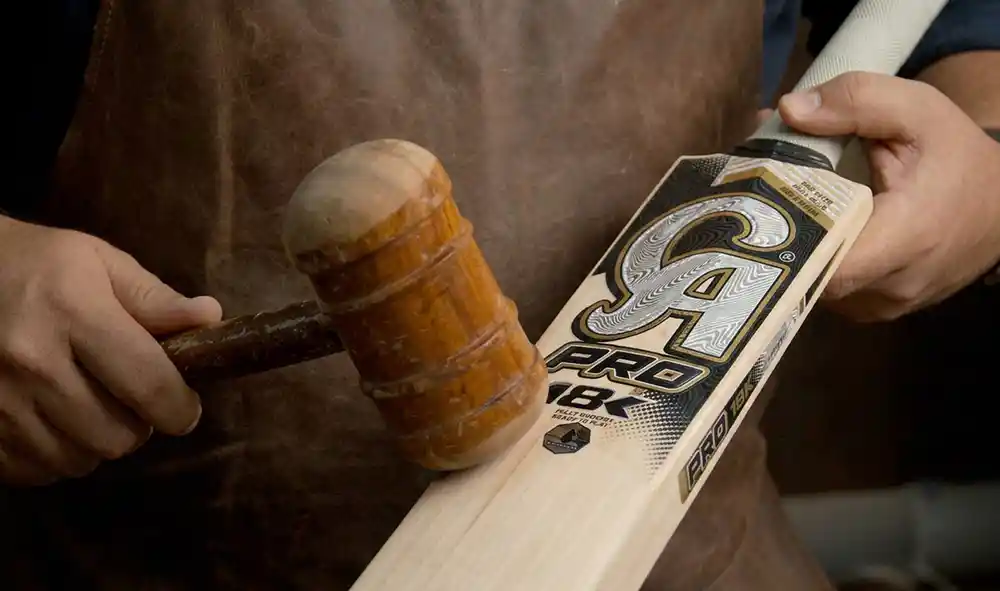
Knocking-in is a crucial preparation process that improves the performance and lifespan of a cricket bat. It compresses the willow fibers, making the bat stronger and more durable.
The edges, toe, and face of the bat should be carefully knocked in to help it handle impact from cricket balls and prevent damage or cracks. This process must be done gradually and with patience to ensure the wood becomes compact and well-conditioned.
Using a Bat Mallet
A hardwood bat mallet is recommended for knocking-in. Gently strike the face and edges of the bat to harden the surface.
Avoid hitting the toe, edges, or the back of the bat, as this may cause unnecessary damage. Repeat this process for 2–3 hours.
After knocking-in, test the bat using soft or old cricket balls in light practice sessions. If marks or indentations appear on the face, the bat requires additional knocking for a few more hours. Once properly completed, the bat becomes match-ready.
Additional Protection
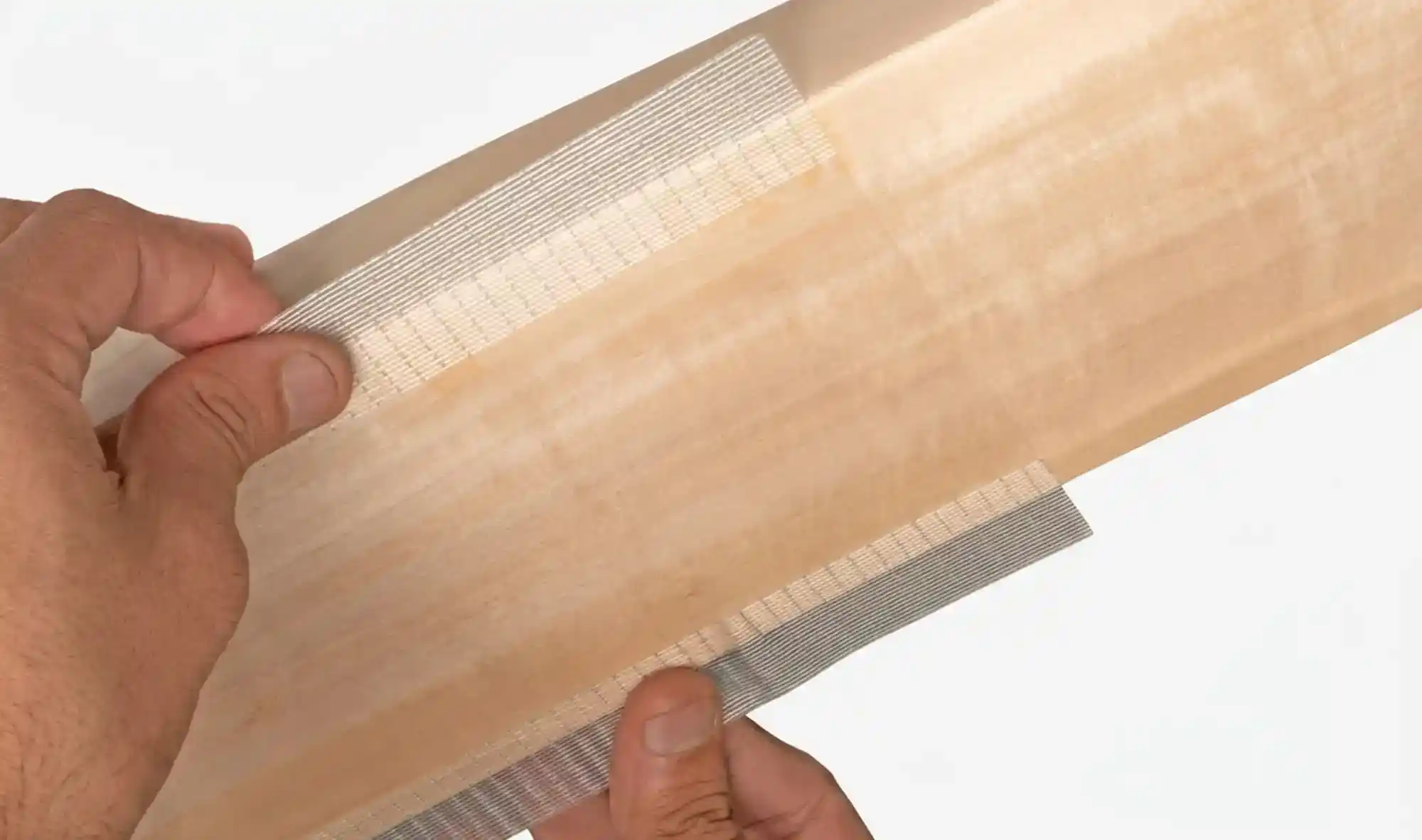
For extra durability, apply fiber tape on the edges and use an anti-scuff sheet on the face. A protective bat cover should also be used, ideally positioned 3–5 mm above the toe and extending along the bat face, ending just below the branding/logo area.
Regularly inspect your bat for early signs of dryness or damage, as early detection can prevent serious cracks.
Pre-Knocked Bats
Even pre-knocked bats require a quick inspection before match use. Instead of mallet knocking, you can directly use the bat in net practice with an old cricket ball to further condition it and improve performance.
Final Tips
- Regularly inspect your bat for dryness or cracks.
- Always use good-quality cricket balls for practice.
- Keep the toe of the bat dry at all times.
- Apply a light coat of oil during playing seasons if needed.
- If cracks appear, lightly sand the area and reapply oil.
- Avoid misuse such as playing in wet conditions, using poor-quality balls, or improper storage, as these can damage the bat.
Proper care and maintenance ensure better performance and significantly extend the life of your cricket bat.

Recent Blog

05 Sep 2026
How to Choose the Best Cricket Helmets with Advanced Face Guard Technology

31 Aug 2026
What Protection Does a Fast Bowler Actually Need?
28 Aug 2026
Do You Actually Need a Cricket Arm Guard?
28 Aug 2026
Why Your Helmet and Neck Guard Are Crucial
22 Aug 2026
How to Replace a Cricket Bat Grip?
12 Aug 2026
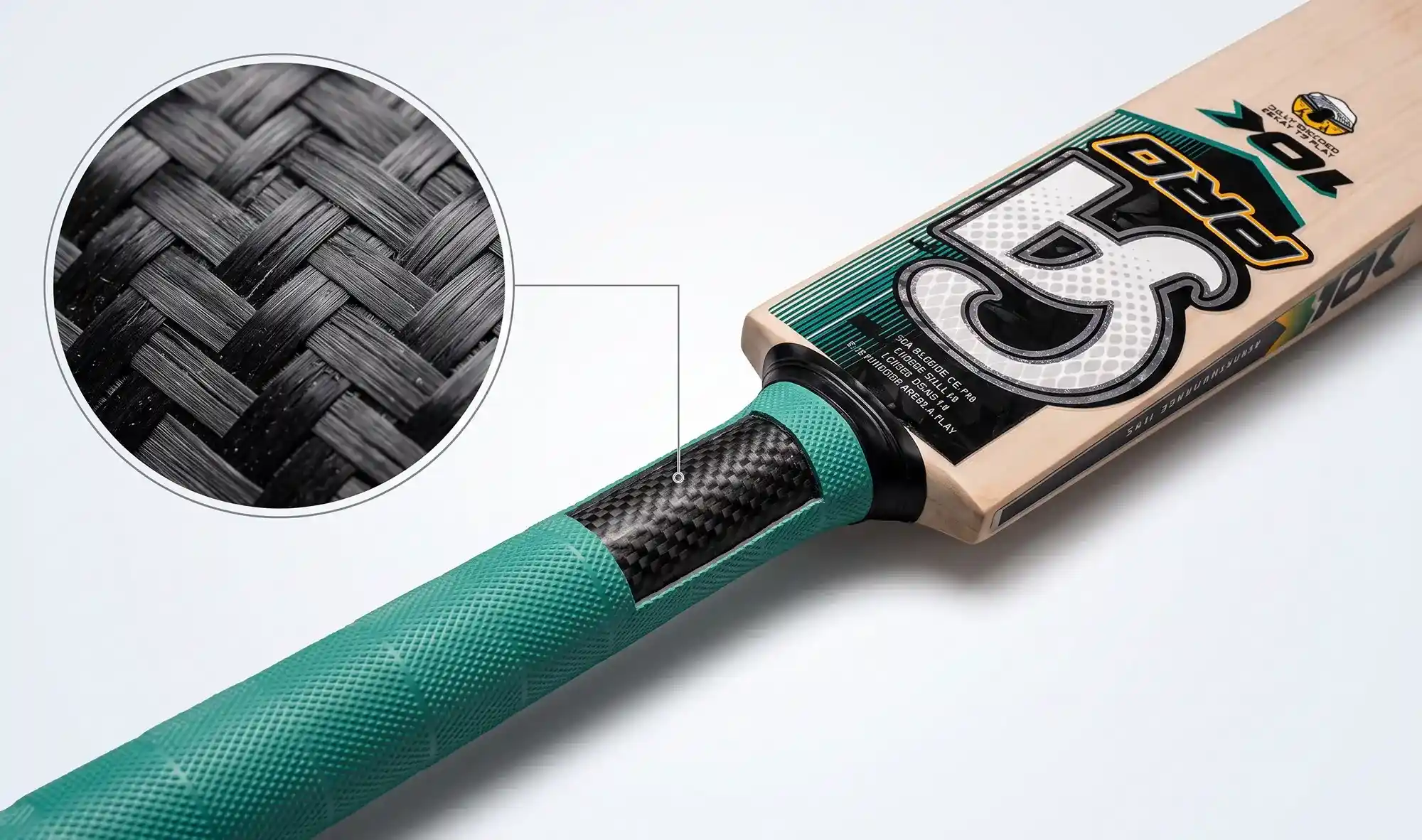
The Role of Carbon Fiber in Modern Cricket Bat Handles
30 Jul 2026
How to Knock In a Cricket Bat Properly: A Step-by-Step Guide
23 Jul 2026
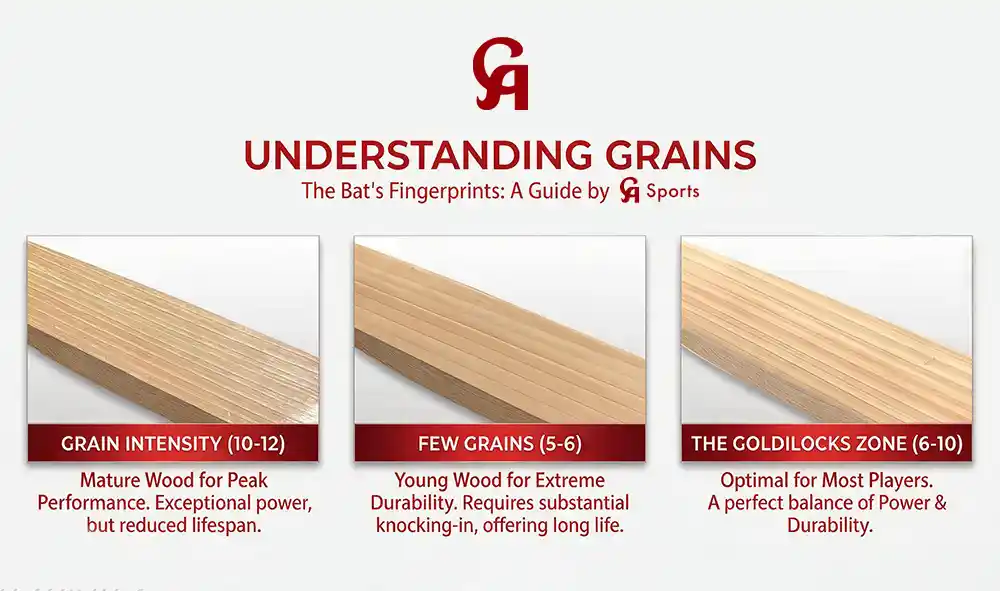
Cricket Bat Grains Explained: What 5, 7, and 10 Grains Really Mean