
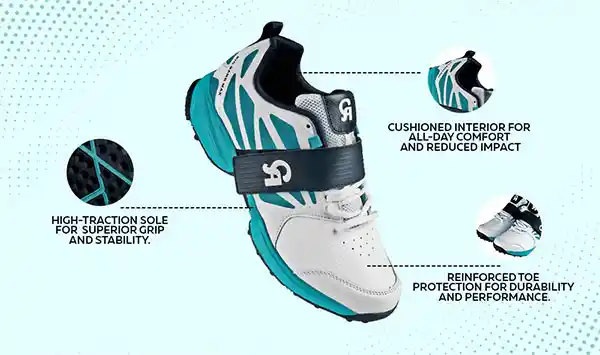
Best Cricket Shoes in 2026: Complete Buyer’s Guide
Many players spend time choosing the right bat and gloves, but they often ignore cricket shoes. This is a big mistake because your shoes affect every movement you make on the field.
The wrong cricket shoes can lead to slips on the pitch, poor footwork while batting, knee and ankle stress during bowling, and overall discomfort during long matches. On the other hand, the right pair can dramatically improve your movement, stability, and confidence on the field.
In this complete buyer’s guide, you’ll discover the best cricket shoes in 2026, how to choose between spike and rubber soles, what features matter most for each player role, and how to pick the perfect fit for your playing surface and budget.
Why the Right Cricket Shoes Matter More Than You Think
Cricket involves explosive movements, sprinting between wickets, sudden direction changes, and high-impact landings for fast bowlers. Ordinary sports shoes simply aren’t designed for these demands.
High-quality cricket shoes provide:
Superior grip and traction on turf
Better stability during bowling run-ups
Faster footwork for batsmen
Reduced stress on knees and ankles
Improved comfort during long innings
Investing in proper cricket footwear isn’t just about performance; it’s about protecting your body over the long term.
Key Features to Look For in Cricket Shoes
Outsole design and spikes
The outsole decides how well you grip the surface. Spikes improve traction on grass and help prevent slipping.
Why it matters
Better stability for fast bowlers
Faster push off for batters.
Safer turns for fielders
Upper material: leather mesh, or synthetic
The upper holds your foot and affects comfort. Leather is strong, mesh is light, and synthetic is balanced.
Why it matters
Keeps the foot secure during movement
Reduces rubbing and discomfort
Supports control in footwork
Cushioning and shock absorption
Cushioning reduces impact stress, especially for bowlers during landing and long spells.
Why it matters
Less pressure on heels and knees
More comfort in long matches
Lower fatigue during running
Ankle support and stability
Support and stability help prevent ankle strain during quick turns and sudden stops.
Why it matters
Better balance at the crease
Safer side movement for fielders
More control for batting footwork
Breathability and weight
Breathable shoes reduce sweat. Lightweight shoes improve speed and reduce tiredness.
Why it matters
Cooler feet during long games
Faster movement between wickets
Better agility in the field
Durability and build quality
Strong build quality helps shoes last longer and stay reliable in training and matches.
Why it matters
Better value over time
Consistent grip and support
Less risk of early damage
Quick Picks — Best Cricket Shoes in 2026
If you’re short on time, here’s how most players should choose:
Best Overall: Balanced spike cricket shoes with strong cushioning
Best for Fast Bowlers: Reinforced heel + maximum ankle support
Best for Batsmen: Lightweight, flexible forefoot design
Best Budget Option: Durable rubber stud shoes
Best for Turf: Full metal spike shoes
Best for Hard Wickets: Rubber sole cricket shoes
Types of Cricket Shoes Explained
Understanding the main types of cricket shoes is the first step to making the right choice.
Spike Cricket Shoes
Spike shoes feature metal spikes on the outsole that dig into natural grass surfaces. They are the preferred choice for professional and serious club cricket.
Pros
Maximum grip on turf pitches
Excellent stability for fast bowlers
Better performance in wet conditions
Strong push-off power
Cons
Not suitable for concrete or hard surfaces
Usually more expensive
Require spike maintenance
Best for: Fast bowlers, competitive players, turf wickets
Rubber Stud Cricket Shoes
Rubber sole cricket shoes use moulded rubber studs instead of metal spikes. They are versatile and popular for recreational and multi-surface play. They are a smart option for hard wickets and training nets.
Pros
Comfortable for long wear
Suitable for hard wickets and practice nets
Lower maintenance
More affordable
Cons
Less grip on wet grass
Not ideal for high-level fast bowling
Reduced traction compared to spikes
Best for: Beginners, casual players, artificial turf
Hybrid Cricket Shoes
Hybrid designs combine rubber studs with removable or partial spikes. They aim to offer a balance between comfort and grip.
Pros
Versatile across surfaces
Balanced performance
Good for all-rounders
Cons
May not match full spikes on turf
Slightly heavier in some models
Best for: All-round players who play on mixed surfaces
Best Cricket Shoes by Player Role
Different positions in cricket place different demands on your footwear. Choosing role-specific shoes can significantly improve performance.
Best Cricket Shoes for Fast Bowlers
Fast bowlers put enormous stress on their feet, ankles, and knees during the delivery stride. They need maximum protection and support.
Key features to look for:
Extra heel cushioning
Strong ankle support
Reinforced toe protection
Durable outsole
Shock-absorbing midsole
Spike shoes are usually the best choice for fast bowlers, especially on turf pitches, because they provide the grip needed during the run-up and landing phase.
Best Cricket Shoes for Batsmen
Batsmen rely heavily on quick footwork, balance, and comfort during long innings. Lightweight and flexible shoes are essential.
Key features to look for:
Lightweight construction
Flexible forefoot
Responsive cushioning
Breathable upper
Good toe protection
Many batsmen prefer either lightweight spikes or high-quality rubber stud shoes, depending on the surface.
Best Cricket Shoes for All-Rounders
All-rounders need a balanced shoe that supports both batting and bowling without being too specialised.
Ideal features:
Moderate cushioning
Good grip
Medium weight
Comfortable fit
Durable upper
Hybrid or versatile spike shoes often work best for all-around players.
Best Cricket Shoes for Wicketkeepers
Wicketkeepers require exceptional lateral movement, quick reactions, and all-day comfort.
Key features:
Lightweight build
Flexible sole
Strong grip
Low-profile design
Breathability
Many wicketkeepers prefer rubber stud shoes for flexibility, though spikes can be used on turf.
Choose Cricket Shoes Based on Playing Surface
Your playing surface should heavily influence your decision.
Grass or Turf Pitches
Best choice: Spike cricket shoes
Metal spikes penetrate the grass and provide the traction needed for fast movements and bowling stability.
Artificial Turf
Best choice: Rubber studs or hybrid shoes
Artificial surfaces don’t allow spikes to penetrate effectively, so rubber soles perform better.
Hard Wickets or Concrete Nets
Best choice: Rubber sole cricket shoes
Using metal spikes on hard surfaces can be uncomfortable and may damage the shoes.
Indoor Cricket
Best choice: Non-marking rubber shoes
Indoor courts require shoes that provide grip without damaging the surface.
How Cricket Shoes Should Fit
Proper fit is just as important as the shoe type. Poorly fitting shoes can cause blisters, instability, and reduced performance.
Ideal Fit Checklist
Your cricket shoes should have:
Snug heel lockdown
Small toe room (about a thumb’s width)
Secure midfoot support
No heel slipping
Comfortable feel with cricket socks
Always try on shoes with the same socks you plan to wear during matches.
Common Fit Mistakes to Avoid
Many players unknowingly choose the wrong size. Avoid these mistakes:
Buying shoes tight (causes toe pain)
Ignoring sock thickness
Choosing the wrong width
Not testing with cricket movements.
Assuming all brands fit the same
A proper test includes walking, jogging, and simulating cricket movements.
Key Features to Look for in the Best Cricket Shoes
When comparing options, focus on these performance features.
Grip and Traction
Look for well-designed spike patterns or rubber stud layouts that match your playing surface.
Cushioning and Midsole Support
Good cushioning absorbs impact during running and bowling. Fast bowlers especially need strong shock absorption.
Upper Material
Common options include:
Mesh (breathable and lightweight)
Synthetic (durable and supportive)
Leather (premium comfort and durability)
Toe Protection
Fast bowlers and aggressive batsmen should prioritise reinforced toe areas to prevent wear.
Ankle Support
Mid-cut or structured designs help reduce ankle roll risk, especially for bowlers.
Breathability
Ventilated uppers help manage sweat and keep feet comfortable during long matches.
Weight
Lighter shoes improve speed and agility, but must still provide enough support.
Durability
Check stitching quality, outsole strength, and brand reliability to ensure long-term use.
Cricket Shoes Buying Guide by Budget
Your ideal choice also depends on how frequently you play.
Entry-Level (Beginner Players)
Best for:
Casual players
School cricket
Occasional matches
Focus on comfort and basic grip.
Mid-Range (Club Players)
Best for:
Regular training
Club matches
Serious amateurs
Look for better cushioning, durability, and support.
Premium (Competitive Players)
Best for:
Fast bowlers
League players
Professional training
Prioritise advanced grip systems, premium materials, and maximum support.
Common Mistakes When Buying Cricket Shoes
Avoid these frequent errors:
Choosing spikes for concrete surfaces
Ignoring the fast bowling impact needs
Using regular running shoes for cricket
Buying the wrong size
Focusing only on the brand name
Ignoring the playing surface
Smart buyers match their shoes to their role and pitch conditions.
FAQs About Cricket Shoes
Are spike cricket shoes better than rubber?
Spike shoes provide better grip on grass pitches, while rubber shoes are better for hard or artificial surfaces.
Can fast bowlers use rubber shoes?
They can be used for practice, but spikes are usually recommended for proper grip and support on turf.
How long do cricket shoes last?
It depends on usage frequency and surface, but quality shoes typically last one to two seasons with proper care.
Should cricket shoes be tight or loose?
They should feel snug but comfortable, with slight toe room and secure heel support.
Can I use running shoes for cricket?
Running shoes lack the grip and stability required for cricket and are not recommended for serious play.
Which shoes are best for turf wickets?
Metal spike cricket shoes are the best option for natural grass pitches.
Do wicketkeepers need spikes?
It depends on the surface. Many wicketkeepers prefer rubber soles for flexibility, but spikes are useful on turf.
Conclusion
The best cricket gear in 2026 depends on your role, playing surface, and level of competition. For most serious players, investing in high-quality cricket shoes is one of the smartest upgrades you can make. The right pair will improve your movement, protect your joints, and boost your confidence every time you step onto the field. If you’re unsure which model fits your game, explore the latest cricket shoe collections and choose based on your role, surface, and comfort needs.
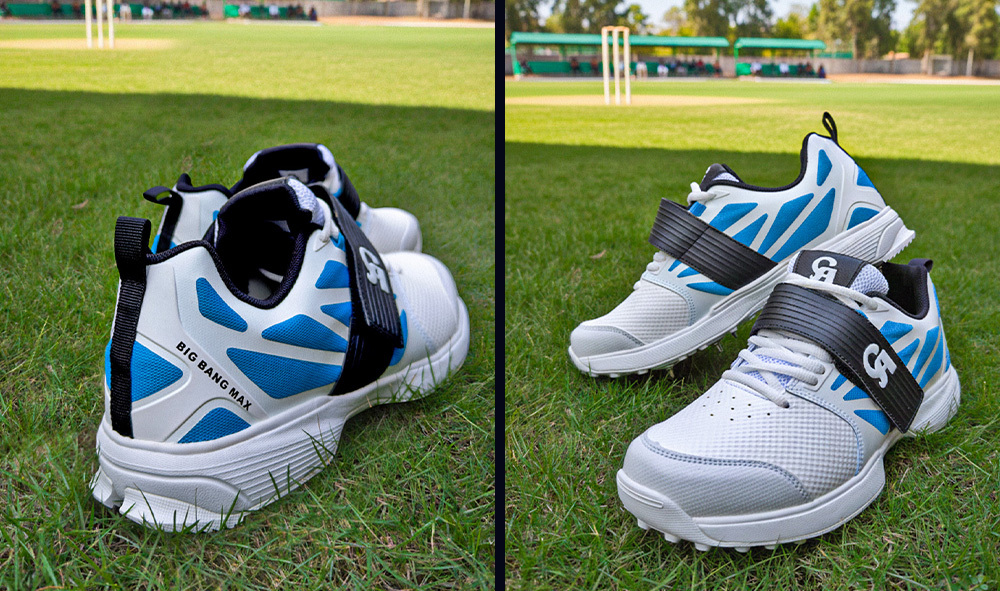
Discover the best cricket shoes in 2026 with this complete buyer guide covering grip, comfort, spikes vs rubber soles, fit tips, and top picks for every budget.
Recent Blog
29 Jun 2026
4 Most Important Items To Keep In Your Cricket Kit Bag
27 Jun 2026
How to Choose the Right Cricket Ball for Practice and Match Play
23 May 2026
What is the Price of Cricket Pads in Pakistan 2026 – Complete Guide
22 May 2026
Cricket Kit Price in Pakistan 2026 | Types & Buying Guide

19 May 2026
Who Scored the Most Runs in PSL 2026? Babar Azam Tops the List
29 Apr 2026
CA Cricket Bat Price in Pakistan 2026 – Which One Should You Buy

29 Apr 2026
Hardball Bat Price in Pakistan 2026 – Latest Market Rates
28 Mar 2026
Cricket Shoes Price in Pakistan – Latest Guide for Players
 Multikart Angular
 Multikart React
 Multikart Shopify