
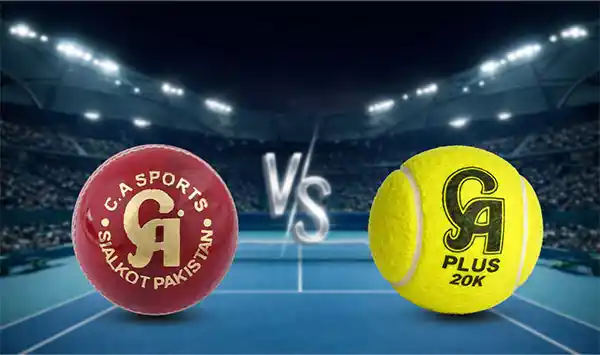
Hard Balls vs Tennis Balls: A Complete Comparison Guide
Choosing the right cricket ball can completely change how you play, practice, and improve. Many players, especially beginners, don’t fully understand the difference between a hard leather cricket ball and a soft tennis ball used for cricket. As a result, they may train with the wrong type of ball, slow their progress, or even increase their risk of injury.
In this comparison guide, we’ll break down the differences between hard balls and soft tennis balls in cricket, including their construction, performance, safety, durability, cost, and skill development impact. By the end, you’ll know exactly which ball is right for your level, surface, and playing goals.
Why Choosing the Right Cricket Ball Matters
Not all balls are designed for the same purpose. A hard leather ball is built for competitive cricket, while a tennis ball is commonly used for casual games and beginner training.
The wrong choice can affect:
- Batting timing and shot control
- Bowling speed, swing, and seam movement
- Fielding reaction time
- Player safety
- Equipment wear and tear
Understanding the core differences helps you train smarter and play safer.
What Is a Hard Ball in Cricket?
A hard cricket ball, also known as a leather cricket ball, is the official ball used in professional and competitive matches.
Construction of a Hard Cricket Ball
A standard hard ball consists of:
- A solid cork core
- Layers of tightly wound string
- A stitched leather outer covering
- A prominent raised seam
The combination of cork and string makes the ball dense and firm. The leather exterior provides durability and allows bowlers to generate swing and seam movement.
Key Features of a Hard Leather Ball
- Heavier weight compared to tennis balls
- Prominent seam for swing and seam bowling
- High bounce and pace
- Long-lasting when used on proper pitches
- Available in red, white, and pink variations
Where Hard Balls Are Used
They are used in:
- Professional cricket matches
- Club and league cricket
- Competitive tournaments
- Advanced training sessions
Because of their hardness and speed, they require full protective gear, including helmets, pads, gloves, and guards.
What Is a Soft Tennis Ball in Cricket?
A soft tennis ball used in cricket is typically a standard rubber-core tennis ball adapted for casual or street cricket.
Construction:
It consists of:
- A hollow rubber core
- A felt outer covering
- Lightweight and softer structure
Key Features:
- Lighter than a leather cricket ball
- Softer impact
- Lower injury risk
- Reduced seam and swing potential
- More affordable
Where Are They Used
Tennis balls are popular in:
- Street cricket
- Backyard games
- Casual matches
- Youth cricket
- Indoor cricket
Because they are softer, they are safer for beginners and recreational players.
Hard Ball vs Soft Tennis Ball: Side-by-Side Comparison
Let’s compare the two types across important performance and safety factors.
1. Material and Construction
Hard Ball:
- Cork core
- Tightly wound string
- Leather covering
- Prominent seam
Tennis Ball:
- Rubber core
- Felt covering
- No raised seam
The material difference directly affects durability, swing potential, and bounce.
2. Weight and Feel
A hard cricket ball is heavier and denser. This weight helps generate power, realistic match conditions, and proper bowling mechanics.
A tennis ball is lighter, which makes it easier to handle, especially for beginners and younger players.
The heavier feel of a hard ball improves strength and technique development, while the lighter tennis ball helps build confidence early on.
3. Speed and Bounce
Hard balls travel faster and produce a sharper bounce, especially on turf pitches. They react strongly off the bat and pitch, making the game more competitive and skill-based.
Tennis balls bounce higher on hard surfaces like concrete, but generally move more slowly through the air. They provide more reaction time for beginners.
4. Swing and Seam Movement
This is one of the biggest differences.
Hard balls:
- Allow conventional swing
- Enable reverse swing (with wear)
- Provide seam movement off the pitch.
Tennis balls:
- Minimal swing potential
- No real seam movement
- More predictable flight
If you are practising professional-level bowling techniques, a hard ball is essential.
5. Safety and Injury Risk
Hard cricket balls can cause serious injuries if proper protective gear is not worn. Their solid construction makes them dangerous without helmets and pads.
Tennis balls are much safer. While they can still cause discomfort, the injury risk is significantly lower.
For young players and beginners, tennis balls are usually recommended for safety reasons.
6. Durability and Lifespan
Hard leather balls are designed for longer matches. However, their lifespan depends on:
- Pitch condition
- Match duration
- Maintenance
Tennis balls wear out quickly on rough surfaces like concrete. The felt layer peels off faster, reducing bounce and performance.
7. Cost Comparison
Hard cricket balls are more expensive due to their complex construction and leather material.
Tennis balls are more budget-friendly and easily available, making them ideal for casual games.
For regular competitive players, investing in quality hard balls is worthwhile. For recreational play, tennis balls are cost-effective.
Which Ball Is Better for Improving Your Cricket Skills?
The answer depends on your level and goals.
For Batting Technique
Hard Ball:
- Improves timing
- Develops realistic match skills
- Builds confidence against pace
Tennis Ball:
- Helps beginners practice basic shots
- Improves hand-eye coordination
- Good for reflex training
If you want to prepare for competitive cricket, hard balls are necessary.
For Bowling Practice
Hard Ball:
- Essential for seam and swing practice
- Develops wrist position and control
- Builds strength and accuracy
Tennis Ball:
- Suitable for basic rhythm
- Limited swing development
- Good for beginners learning bowling action
Serious bowlers must practice with hard balls to master advanced techniques.
For Fielding Drills
Tennis balls are safer for beginners learning catching techniques.
Hard balls help players adapt to real-match intensity and improve confidence under pressure.
Which Ball Should Beginners Choose?
For beginners, especially young players, tennis balls are usually the safest starting option.
Reasons:
- Lower injury risk
- Less fear factor
- More confidence-building
- Affordable for practice
As skills improve, players should gradually transition to hard balls while using full protective equipment.
Choosing the Right Ball Based on Playing Surface
Your playing surface plays a major role in the right ball selection.
Concrete or Street Surfaces
Tennis balls are ideal. Hard balls can damage both equipment and players on hard surfaces.
Grass or Turf Pitches
Hard leather balls are designed specifically for turf conditions and provide proper bounce and swing.
Indoor Nets
The choice depends on facility rules. Many indoor nets allow both, but hard balls are preferred for serious training.
Common Mistakes When Choosing a Cricket Ball
Many players make avoidable errors, such as:
- Using hard balls without proper protective gear
- Practising swing bowling with tennis balls
- Using tennis balls in competitive matches
- Ignoring surface compatibility
- Choosing based only on price
Avoiding these mistakes ensures better performance and safety.
FAQs About Hard Balls and Tennis Balls in Cricket
Is a hard cricket ball dangerous?
Yes, without proper protective gear, a hard ball can cause serious injury. Always wear helmets and pads.
Can professional cricket be played with a tennis ball?
No, professional cricket requires a hard leather ball as per official regulations.
Why do hard balls swing more than tennis balls?
Hard balls have a stitched seam and a leather surface that interacts with airflow, enabling swing and seam movement.
Which ball is better for beginners?
Tennis balls are generally safer and better for beginners.
Do tennis balls damage cricket bats?
Not significantly. However, excessive use on rough surfaces may affect bat edges over time.
How long does a hard cricket ball last?
It depends on pitch conditions and match duration, but it typically lasts longer than tennis balls in regulated matches.
Final Verdict:
Both hard cricket balls and soft balls have their place in the game.
Choose a hard ball if:
- You play competitive cricket
- You want realistic match practice.
- You are developing advanced bowling techniques.
Choose a tennis ball if:
- You play casual or street cricket
- You are a beginner
- Safety is your top priority.
- You practice on concrete surfaces.
The best approach for serious players is progression: start with CA tennis balls, build confidence and basic skills, then transition to hard balls for match-level development. Selecting the right ball based on your level, surface, and goals will improve your game, enhance safety, and help you get the most out of every practice session.
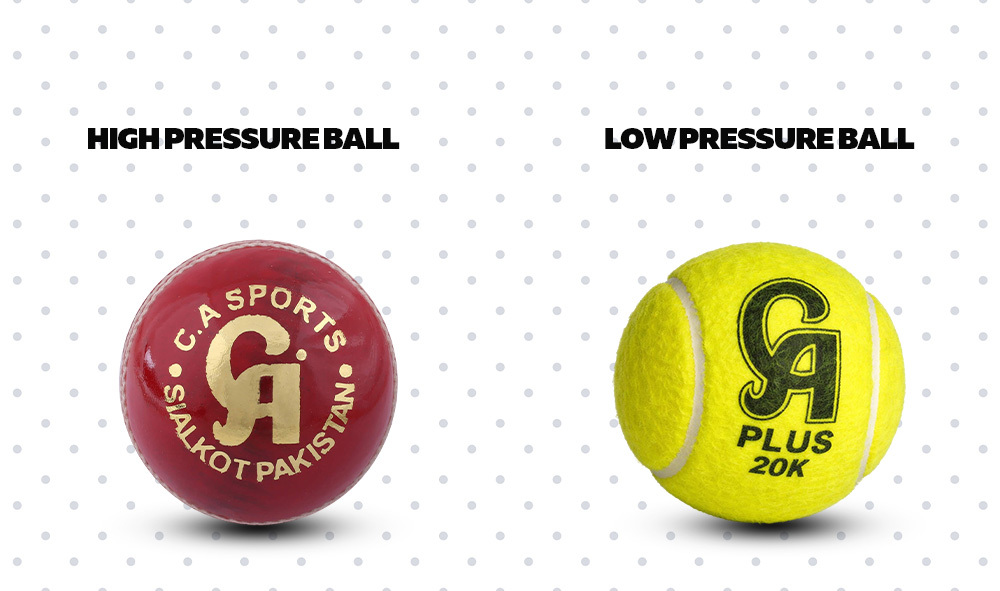
Hard balls vs tennis balls comparison guide. Learn the key differences in bounce, pace, swing, safety, cost, and best use for practice, street cricket, and matches.
Recent Blog
29 Jun 2026
4 Most Important Items To Keep In Your Cricket Kit Bag
27 Jun 2026
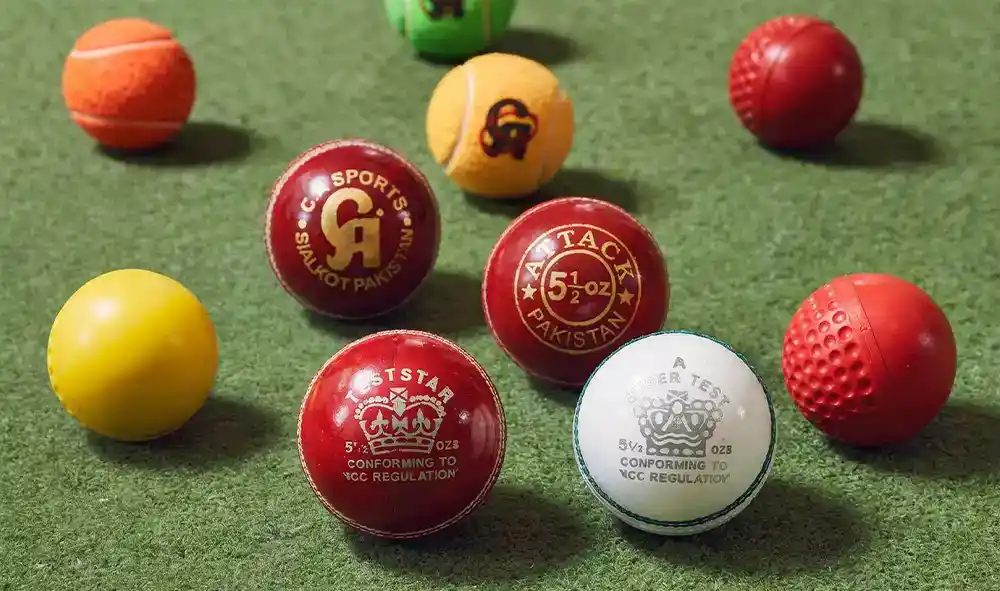
How to Choose the Right Cricket Ball for Practice and Match Play
23 May 2026
What is the Price of Cricket Pads in Pakistan 2026 – Complete Guide
22 May 2026
Cricket Kit Price in Pakistan 2026 | Types & Buying Guide

19 May 2026
Who Scored the Most Runs in PSL 2026? Babar Azam Tops the List
29 Apr 2026
CA Cricket Bat Price in Pakistan 2026 – Which One Should You Buy

29 Apr 2026
Hardball Bat Price in Pakistan 2026 – Latest Market Rates

28 Mar 2026
Cricket Shoes Price in Pakistan – Latest Guide for Players
 Multikart Angular
 Multikart React
 Multikart Shopify