
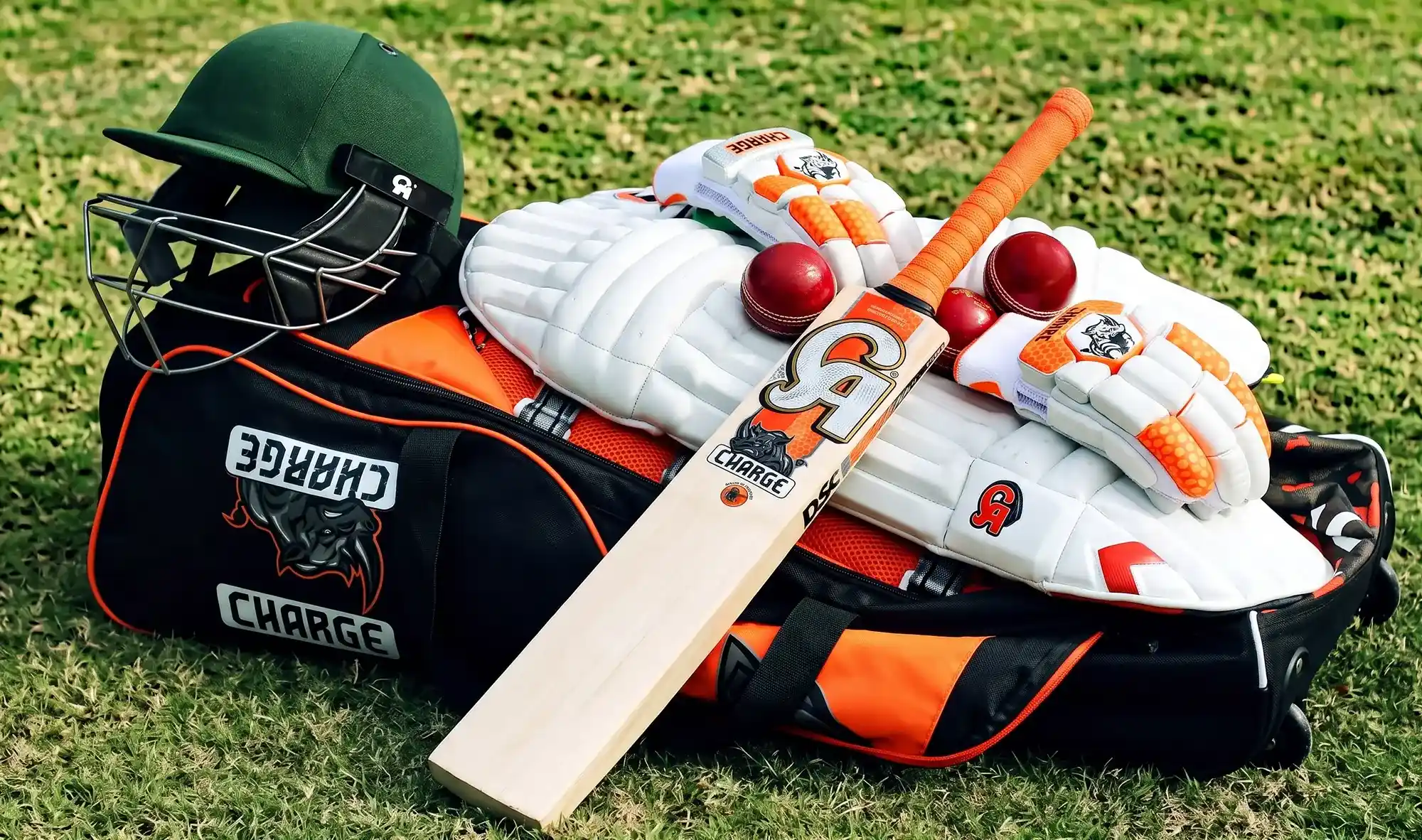
Pro Tips for Assembling Your Cricket Kit for Match Day
Why a Properly Assembled Cricket Kit Matters on Match Day
Match day preparation begins long before stepping onto the field. A properly assembled cricket kit ensures that players have every piece of equipment ready when it matters most.
Professional players often prepare their gear the night before a match. This habit helps avoid last-minute stress and prevents situations where important equipment is forgotten at home.
Having the right equipment ready also improves performance. When players know their gear is organised and reliable, they can focus entirely on the game.
Preparing your kit carefully helps with:
- Better match readiness
- Faster preparation on the ground
- Reduced the risk of missing important equipment
- Improved confidence before the game starts
Many experienced players follow a routine that ensures their equipment is always match-ready.
The Ultimate Cricket Match Day Kit Checklist
A well-organised kit bag contains everything a player needs during a match. Preparing a checklist helps avoid forgetting important gear.
Essential Batting Gear
Batting equipment is the most important part of any cricket kit. Players should always check their gear before leaving for the ground.
Basic batting gear includes:
- A cricket bat that has been properly knocked in and is match-ready
- Batting gloves for grip and protection
- A spare pair of gloves in case the main pair becomes wet
- Batting pads that provide leg protection while facing fast deliveries
Checking the condition of these items before match day can prevent unexpected problems.
Protective Equipment Every Player Needs
Safety equipment protects players from fastballs and accidental impact. Even experienced players rely on protective gear during matches.
Important protection items include:
- Helmet with a secure grill for head protection
- Abdominal guard (box) for lower body protection
- Thigh guard, arm guard, or chest guard, depending on player preference
Proper protective equipment helps players feel confident while batting against fast bowlers.
Match-Ready Footwear and Clothing
Comfortable footwear and proper clothing are essential for performance on the field.
Typical match-day clothing includes:
- Cricket shoes designed for grip on the field
- Team jersey and trousers
- An extra pair of socks in case of sweat or wet conditions
Good footwear helps players move quickly while fielding, batting, or running between wickets.
Small Accessories Players Often Forget
Many players focus on large equipment but forget smaller items that can be extremely useful during matches.
Common accessories include:
- Extra bat grips
- Grip tape
- Towels or sweat cloths
- Energy snacks
- Water bottle for hydration
These small items can make a big difference during long matches, especially in hot weather conditions.
How to Organise Your Cricket Kit Bag Like a Professional
Professional players organise their kit bags in a way that protects equipment and allows quick access during matches.
Step 1 – Start With the Bat Compartment
The bat is usually the most valuable piece of equipment in the kit bag. Many modern kit bags include a dedicated bat sleeve.
Keeping the bat in a separate compartment helps protect it from damage during travel.
Step 2 – Position Pads and Gloves for Balance
Pads and gloves should be placed in the main compartment of the bag. Positioning them evenly helps keep the bag balanced when carrying it.
This arrangement also prevents gloves from getting crushed under heavier items.
Step 3 – Store Helmet and Guards Safely
The helmet should be placed in a position where the grill cannot bend or get damaged.
Protective guards, such as thigh or arm guards, can be placed beside the helmet to keep it secure.
Step 4 – Use Separate Compartments for Shoes
Many cricket kit bags include special compartments for shoes. This prevents dirt or moisture from spreading to other equipment.
Separating footwear also helps keep the rest of the kit clean.
Step 5 – Keep Accessories in Easy-Access Pockets
Small accessories should be stored in side pockets where they can be reached quickly.
This helps players access items such as tape, grips, or snacks without unpacking the entire bag.
Smart Packing Strategies for Match Day Efficiency
Packing gear strategically can make match day preparation faster and easier.
Pack Gear in the Order You Use It
Place items you use first near the top of the bag. For example, shoes and clothing may be needed before batting equipment.
This method saves time during preparation on the ground.
Carry Backup Items for Long Matches
Matches can last several hours, so it is helpful to carry backup equipment.
Extra gloves, grips, or socks can be useful if equipment becomes wet or damaged.
Use Small Pouches to Avoid Gear Clutter
Small pouches or compartments help keep accessories organised.
This prevents small items from getting lost inside the bag.
Keep Wet and Dry Gear Separate
After matches or practice sessions, equipment may become wet with sweat.
Separating wet gear from dry items helps maintain equipment condition and prevents unpleasant odours.
Common Mistakes Players Make When Packing Their Cricket Kit
Many players make simple mistakes when preparing their kit for match day.
Overloading the Kit Bag
Carrying too many unnecessary items can make the bag heavy and difficult to manage.
Packing only essential equipment keeps the bag organised and portable.
Forgetting Protective Gear
Sometimes players remember their bat but forget protective equipment.
Always double-check items like guards and helmets before leaving for the ground.
Mixing Shoes With Delicate Equipment
Shoes can carry dirt or moisture. Placing them directly with gloves or pads may damage equipment.
Using separate compartments prevents this problem.
Not Checking Gear Condition Before Leaving
Players should inspect their equipment before every match.
Checking grips, padding, and straps helps ensure everything works properly during play.
Pro Maintenance Tips to Keep Your Cricket Kit Match-Ready
Maintaining equipment regularly helps extend its lifespan.
Airing Out Gear After Matches
After returning from a match, it is important to air out all equipment.
This helps remove moisture and prevents unpleasant odours.
Checking Grips, Pads, and Gloves Regularly
Bat grips can wear out over time, and protective gear may lose padding.
Regular inspection helps identify problems early.
Cleaning Bats and Protective Equipment
Cleaning equipment removes dirt and sweat buildup.
Proper care keeps gear in good condition for future matches.
Final Match Day Preparation Checklist
Before leaving for the ground, players should perform a quick final check.
Quick 2-Minute Gear Check
Review your kit bag and confirm that essential equipment is packed.
Make sure the bat, gloves, helmet, and pads are included.
Personal Essentials Before Leaving for the Ground
Players should also remember personal items such as water, energy snacks, and a towel.
These small items help maintain energy during long matches.
Mental Readiness and Confidence
Preparation is not only about equipment. Mental focus is also important.
When players know their kit is organised and ready, they can step onto the field with confidence and focus entirely on the game.
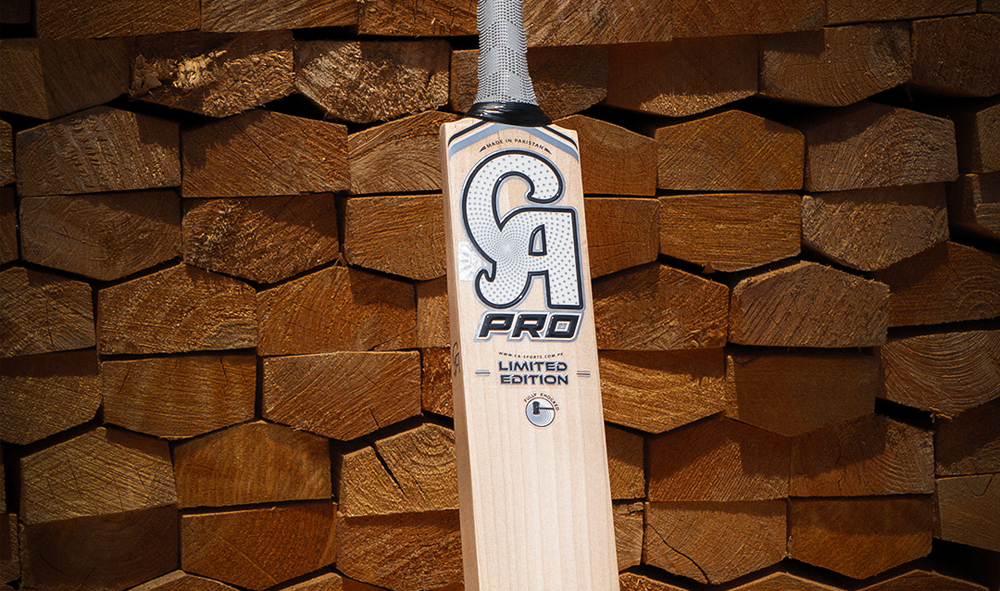
Stay match-ready with a well-organised cricket kit. This guide covers essential tips to pack your gear efficiently, ensure nothing is missed, and boost your confidence for peak performance on match day.

Recent Blog
05 Sep 2026
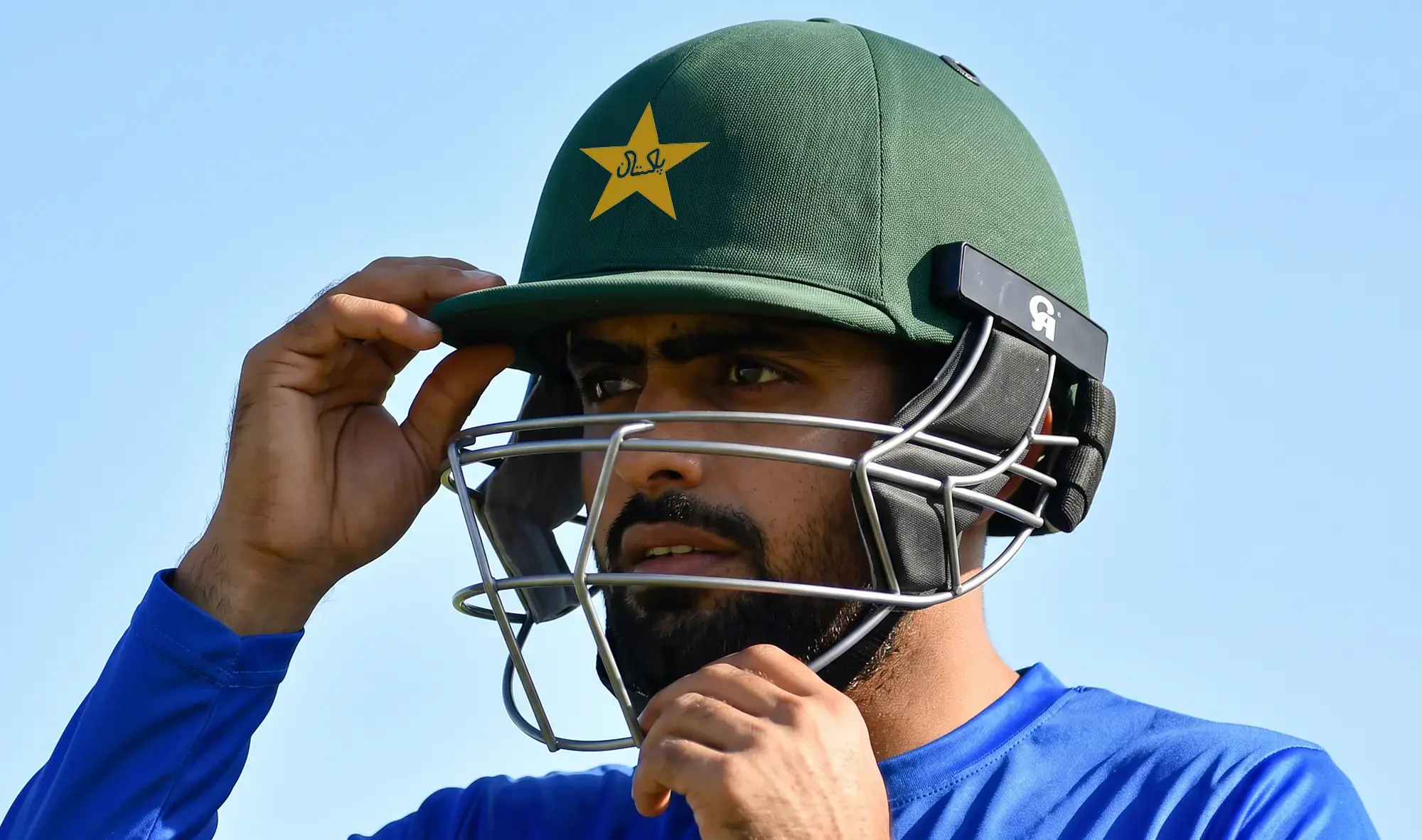
How to Choose the Best Cricket Helmets with Advanced Face Guard Technology

31 Aug 2026
What Protection Does a Fast Bowler Actually Need?
28 Aug 2026
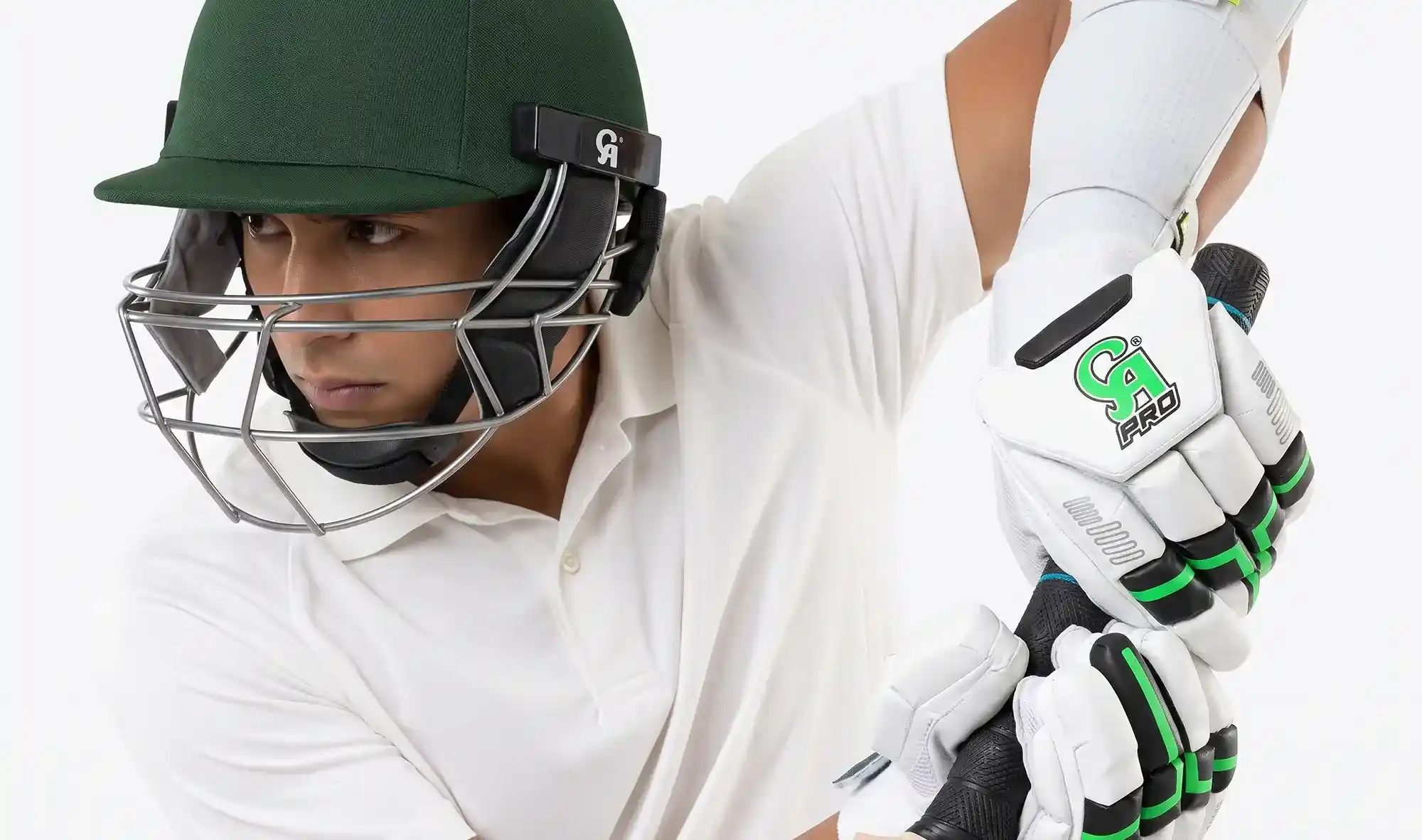
Do You Actually Need a Cricket Arm Guard?
28 Aug 2026
Why Your Helmet and Neck Guard Are Crucial
22 Aug 2026
How to Replace a Cricket Bat Grip?
12 Aug 2026
The Role of Carbon Fiber in Modern Cricket Bat Handles
30 Jul 2026
How to Knock In a Cricket Bat Properly: A Step-by-Step Guide

23 Jul 2026
Cricket Bat Grains Explained: What 5, 7, and 10 Grains Really Mean