
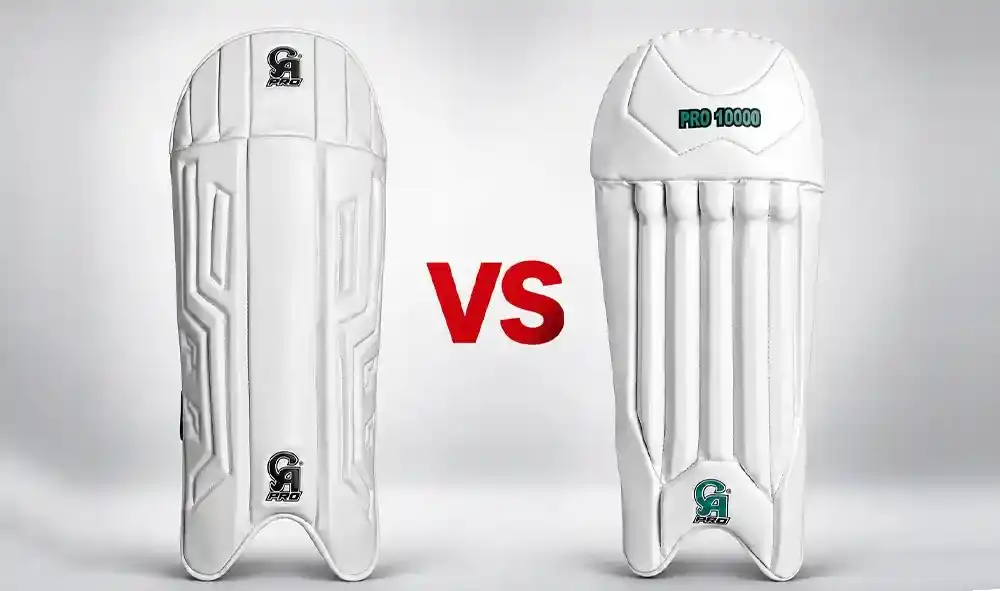
Lightweight vs. Heavy Duty Wicketkeeping Pads – Which is Best for You
Quick answer:
Lightweight wicketkeeping pads suit keepers who need speed, comfort, and agility for long spells behind the stumps. Heavy-duty pads give stronger impact protection, mainly against genuine fast bowling on hard pitches. Beginners and club-level keepers usually do best with lightweight pads. Serious keepers facing regular pace often choose reinforced, heavier pads for extra safety.
Wicketkeeping is one of the most demanding jobs on a cricket field. You crouch for every ball. You react in a split second. You take impact after impact across a long match day. The pads you wear can either help you keep well or slow you down.
This guide explains the real difference between lightweight and heavy-duty wicketkeeping pads, when each type makes sense, and how to pick the right pair for your level and playing conditions.
What Are Wicketkeeping Pads?
Wicketkeeping pads, also called wicketkeeping leg guards, protect a keeper's shins and knees while they stand behind the stumps. They are different from batting pads. They are shorter, more flexible, and built for quick movement. A keeper crouches, dives, and moves sideways for every delivery. The pads must block ball impact without limiting movement or causing fatigue.
Lightweight Wicketkeeping Pads: Features and Best Use
Lightweight wicketkeeping pads are built for movement first. They use modern materials like high-density foam and softer synthetic layers instead of stiff cane inserts. This makes them lighter, more flexible, and easier to wear for full innings.
Key features:
- Foam-based padding, not cane
- Lower knee bulk for a full range of leg bend
- Softer straps, often elastic or Velcro
- Reduced weight helps in diving, springing, and lateral steps
- Less fatigue during long keeping spells
Best for:
- Beginners and school-level keepers
- Club cricketers who play long formats regularly
- Keepers who stand up to the stumps against spin and medium pace
- Junior players who tire quickly under heavy gear
- Turf pitches with lower bounce
The trade-off is protection. Lightweight pads handle most club and school-level cricket well. They are not built for constant heavy impact from genuine fast bowling on bouncy surfaces.
Heavy-Duty Wicketkeeping Pads: Features and Best Use
Heavy-duty wicketkeeping pads use denser padding, reinforced knee sections, and stronger materials. Some still use partial cane construction for added stiffness. They are heavier but offer stronger impact protection.
Key features:
- Denser, layered foam or reinforced padding
- Larger, more protective knee and shin sections
- Sturdier strap systems for a tighter hold
- Higher resistance to repeated ball impact
- Longer product life under heavy use
Best for:
- Competitive and semi-professional keepers
- Keepers who stand back to genuine fast bowlers
- Matches on hard, bouncy pitches
- Players who take frequent deflections or edges
- Keepers who prioritise safety over speed
The trade-off is weight. Heavy-duty pads can slow you down during quick movements and cause more leg fatigue in long spells. Keepers with strong legs and good match fitness handle this better.
Lightweight vs Heavy-Duty: Side-by-Side Comparison
Factor | Lightweight Pads | Heavy-Duty Pads |
Weight | Lower | Higher |
Material | High-density foam | Foam + cane / reinforced layers |
Mobility | Excellent | Moderate |
Protection level | Enough for most levels | Higher, built for pace |
Fatigue in long spells | Low | Higher |
Best playing level | Beginner to club | Club to professional |
Ideal against | Spin, medium pace | Fast bowling, hard bounce |
Price range | Usually lower | Usually higher |
How to Choose: A Simple Decision Framework
Ask yourself three questions before buying.
1. What level do you play at? Beginners and school players do best with lightweight pads. They are easier to move in, more comfortable, and build good keeping habits early. Club and professional keepers can go either way depending on the bowlers they face.
2. What kind of bowling do you face?
- Mostly spin or medium pace → lightweight pads are enough
- Regular fast bowling on hard pitches → heavy-duty pads make sense
- Mixed levels → lightweight pads with strong knee reinforcement
3. What pitches and formats do you play? On turf wickets and softer pitches common in Pakistan and much of South Asia, lightweight pads handle most club cricket well. On harder, bouncier surfaces or in longer formats, heavy-duty pads add real value.
If you are unsure, start with lightweight pads. Most keepers never need heavy-duty protection unless they regularly face genuine pace.
Common Mistakes When Buying Wicketkeeping Pads
Avoid these common errors:
- Buying batting pads instead of keeping pads. Batting pads are too long, too stiff, and restrict crouching.
- Choosing pads that are too heavy for your level. Extra padding does not help if it slows you down.
- Ignoring the fit. Loose pads slip during diving. Tight pads cut circulation and cause discomfort.
- Skipping the sizing chart. Always measure from ankle to just above the knee before ordering online.
- Prioritising brand over feel. A well-fitted mid-range pad beats a badly fitted premium pad every time.
CA Sports Wicketkeeping Pads
CA Sports offers a full range of wicketkeeping pads built for keepers at every level. The range covers lightweight options for school, college, and club cricket, along with stronger reinforced pads for competitive keepers facing genuine pace. Every pair is built with quality foam padding, secure straps, and correctly proportioned junior and adult sizing.
If you also need matching gear, CA Sports carries wicketkeeping gloves and other cricket protection gear designed to work together as one complete kit.
Browse the full CA Sports wicketkeeping pads collection to find the right pair for your game.
Frequently Asked Questions
Are lightweight wicketkeeping pads safe enough?
Yes. Modern lightweight pads use high-density foam that absorbs impact well. They are safe for most beginners, school, college, and club-level keepers. If you regularly face genuine fast bowling on hard pitches, consider heavy-duty pads instead.
What is the best wicketkeeping pad for beginners?
Beginners should choose lightweight wicketkeeping pads. They are easier to move in, more comfortable during long practice sessions, and help young keepers build good footwork habits without the burden of heavy gear.
How are wicketkeeping pads different from batting pads?
Wicketkeeping pads are shorter, lighter, and built for movement. They have smaller knee sections and simpler straps. Batting pads are longer, stiffer, and built for standing at the crease, not for crouching or diving.
How long do wicketkeeping pads usually last?
With regular use, a good pair of wicketkeeping pads lasts one to three seasons. Lightweight pads may wear out sooner under heavy match use. Heavy-duty pads generally last longer but cost more upfront.
Conclusion
The right wicketkeeping pads depend on your level, the bowlers you face, and the pitches you play on. Lightweight pads suit most keepers, especially beginners and club players. Heavy-duty pads are the safer choice for those who face genuine pace on hard surfaces. Pick the pair that lets you move freely and stay confident behind the stumps.
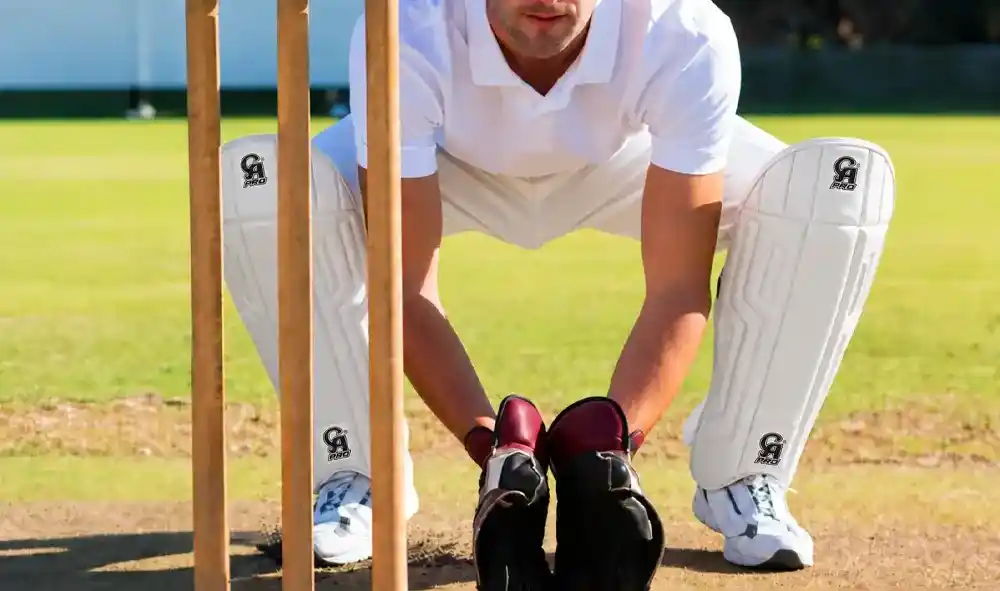
wicketkeeping pads, wicketkeeping leg guards, high-density foam, cane construction, knee roll, shin protection, strap systems, junior sizing, standing up to stumps, standing back

Recent Blog
29 Sep 2026
Which Cricketers Wear a CA Sports Cricket Helmet?
29 Sep 2026
Lightweight vs. Heavy Duty Wicketkeeping Pads – Which is Best for You
05 Sep 2026
How to Choose the Best Cricket Helmets with Advanced Face Guard Technology

31 Aug 2026
What Protection Does a Fast Bowler Actually Need?
28 Aug 2026
Do You Actually Need a Cricket Arm Guard?
28 Aug 2026
Why Your Helmet and Neck Guard Are Crucial
22 Aug 2026
How to Replace a Cricket Bat Grip?
12 Aug 2026
The Role of Carbon Fiber in Modern Cricket Bat Handles