

What Protection Does a Fast Bowler Actually Need?
If you are following a generic cricket gearchecklist, you are likely wearing the wrong protection. Treating a wicketkeeper, bowler, or tail-ender like an opening batter leaves dangerous gaps in your armor. It does not fit someone delivering thirty-six balls in a spell, absorbing landing forces that peak between five and eight times their own body weight on every stride.
The gear that protects a fast bowler sits at the bottom of most kit lists — or gets left off entirely. Here is what actually belongs in a pace bowler's bag, and the biomechanical reason each item earns its place.
Bowling Shoes: Where All Protection Starts
As a bowler, your protection starts with your feet. They do three main things: they keep your feet stable, absorb the impact of hard landings, and give you a strong grip when you bowl.
But if you choose the wrong shoes, you will face big problems. Bad shoes ruin your body balance, cause painful blisters, and put too much pressure on your ankles, knees, and lower back. This can easily lead to serious injuries.
So, how do you find the perfect pair? Let’s look at the most important features and functions every good bowling shoe must have.
Ankle Support and Stability
When a fast bowler runs in and lands forcefully to bowl, the front ankle takes a massive shock and tries to twist or roll outwards. To stop this serious injury, always choose mid-cut or high-top shoes. These shoes are slightly more high-heeled, meaning they wrap tightly around your ankle bone like a seatbelt and keep it perfectly safe.
Another common problem is your foot sliding inside the shoe during landing, which crushes your toes against the front wall. To fix this, look for shoes with independent lacing zones. This feature lets you tighten the middle section of your foot separately from the ankle collar. It completely locks your foot in place so your toes never hit the front of the shoe.
The CA Pro shoes range offers a globally trusted mid-cut build designed to give pace bowlers elite ankle stability and impact protection.
Cushioning and Heel Impact
Force-plate studies on fast bowlers show front-foot landing forces between five and eight times the bowler's body weight. Whatever the shoe fails to absorb, the knee and hip take instead.
EVA foam or gel midsoles handle this well. A reinforced heel counter keeps the foot stable rather than letting it roll outward on impact. Over a long season, this is the difference between bowling through to March and spending February at the physio.
Shock-absorbing heel cups — cheap inserts that sit inside the shoe — reduce peak forces through the calcaneus and are worth adding to any shoe that lacks built-in gel.
Reinforced Toe Cap — And Which Foot Actually Needs It
For a right-arm bowler, the heavy friction happens on the back right shoe. As you follow through, your right toe drags behind you on the ground, which can easily tear the leather if the shoe lacks built-in protection.
During the follow-through, the bowling foot trails behind the body and the toe drags across the surface. Without a TPU-reinforced toe cap, the upper can split open within weeks. Adhesive toe-guard tape over the drag zone slows the damage if your shoes lack built-in protection, but expect to reapply it every few sessions.
Spikes vs Rubber Soles
The surface decides — not preference.
Surface | Best Choice | Why |
Grass / turf | Metal spikes | Grip through run-up and delivery stride |
Matting wickets | Rubber sole | Spikes catch on matting; injury risk rises |
Hard / concrete | Rubber sole | Spikes offer no benefit and wear down fast |
Indoor nets | Rubber sole | Required by most indoor facilities |
Many club cricketers in Pakistan bowl across all four surfaces in a single season. Two pairs — one spike shoes, and the other rubber shoes — is cheaper than treating a slipped landing. The senior cricket shoes like gripper handles hard-ground and spike suits turf at a reasonable price point.
Finger Care and Tape
Your fingers do the precise work at release — and they blister, crack, and lose skin faster than any other part of the body during a match.
Finger Tape
Tape covers the index and middle fingers where the seam presses hardest. It holds a blister closed before it opens — often the difference between finishing your spell and walking off after three overs.
A rule you need to know: Under MCC Law 41 — governing fair play and ball condition — bowlers cannot apply tape to bowling-hand fingers without umpire approval. Tape contacting the ball can be treated as an artificial substance. Always show it to both umpires before your first delivery. Skin-coloured tape is generally accepted; white or coloured tape tends to draw objections for both ball interference and batter distraction.
Keep a roll in your bag even during months when you never touch it.
A Cloth for the Ball
You cannot maintain shine with your hands alone — especially in the dusty conditions across Sindh and Punjab. A clean, dry cloth lets you work one side of the ball properly through a spell. Most club bowlers never think to pack one.
Body Protection and Recovery Gear
The section most kit guides skip entirely. The body parts that break down in fast bowlers are the lower back, knees, and soft tissue around the pelvis and hips.
Lower-Back Support Belt
Lumbar stress fractures are close to endemic in fast bowlers — research shows they exceed their available lateral flexion range by up to 25% during the delivery action. A support belt provides proprioceptive feedback: the compression reminds trunk muscles to engage, reducing uncontrolled side bending under fatigue. Use it for bowling and warm-ups, and remove it while fielding.
Medical-Grade Compression Wear
Compression shorts and calf sleeves reduce soft-tissue vibration during landings and improve venous return through long days. The effect is cumulative — less post-spell stiffness, which matters because tight muscles in the second spell are a fast track to a side strain. Go for medical-grade graduated compression, not the fashion variety.
Abdominal Guard
Keep it in the bag whether you are bowling, batting, or fielding close to the bat. At any level where the ball comes off the middle with pace, going without is a risk with no upside.
Hydration and Sun Protection
In the subcontinental heat covering most of Pakistan's season, these stop being optional.
A large insulated water bottle — refilled between overs — is basic equipment. By the time you feel thirsty, your accuracy has already started drifting.
Cap and sunscreen matter over a full season more than any single match. Heat fatigue shows up in your line and length well before you consciously feel tired. Most professionals use sunscreen routinely. Most club players never do.
Spare Kit That Saves a Spell
Spare socks: Damp socks create blisters. Blisters end spells. A second pair takes no space and solves a problem that regularly forces bowlers off early.
Spare laces: A lace snapping between overs is minor — until you have no replacement. They weigh nothing. Pack them.
Fast Bowler Kit Bag Checklist
Item | Priority | Notes |
Bowling shoes (spiked) | Essential | Ankle support, cushioning, toe cap |
Spare socks | Essential | Prevents mid-spell blisters |
Water bottle | Essential | Critical in subcontinent heat |
Abdominal guard | Essential | Bowling, batting, close fielding |
Finger tape | High | Show to umpire before use |
Cloth for the ball | High | Maintains shine through a spell |
Compression shorts | High | Cumulative fatigue reduction |
Lower-back support belt | High | Proprioceptive support under fatigue |
Cap and sunscreen | High | Heat and UV protection |
Heel cups | Medium | Extra shock absorption |
Spare laces | Medium | Weighs nothing; saves a spell |
Second shoes (rubber) | Medium | For multiple surfaces |
FAQ
What is the most important protective item for a fast bowler?
Ans: Bowling shoes. Landing forces reach five to eight times body weight, and shoes with ankle support, cushioning, and a reinforced toe cap are the primary defence against chronic joint damage.
Which foot suffers toe drag — front or back?
Ans: The back foot. For a right-arm bowler, the right shoe takes the abrasion as the bowling foot trails and drags across the surface during follow-through.
Can a fast bowler use finger tape while bowling?
Ans: Yes — but inform the umpire first. Under MCC Law 41, unapproved tape can be treated as an artificial substance. Skin-coloured tape is generally accepted; white tape may be refused.
Do fast bowlers need compression gear?
Ans: It helps over a season. Compression shorts and calf sleeves reduce soft-tissue vibration and improve recovery between spells — small per-delivery gains that compound over months.
How many pairs of cricket shoes should a fast bowler own?
Ans: One pair works on turf only. If your season spans matting, hard grounds, and indoor nets, a second rubber-soled pair avoids injury from wearing spikes on the wrong surface.
Should a fast bowler wear a lower-back support belt?
Ans: During long spells, yes. The proprioceptive feedback helps trunk muscles stay engaged under fatigue, reducing the uncontrolled lateral flexion behind most lumbar stress injuries.
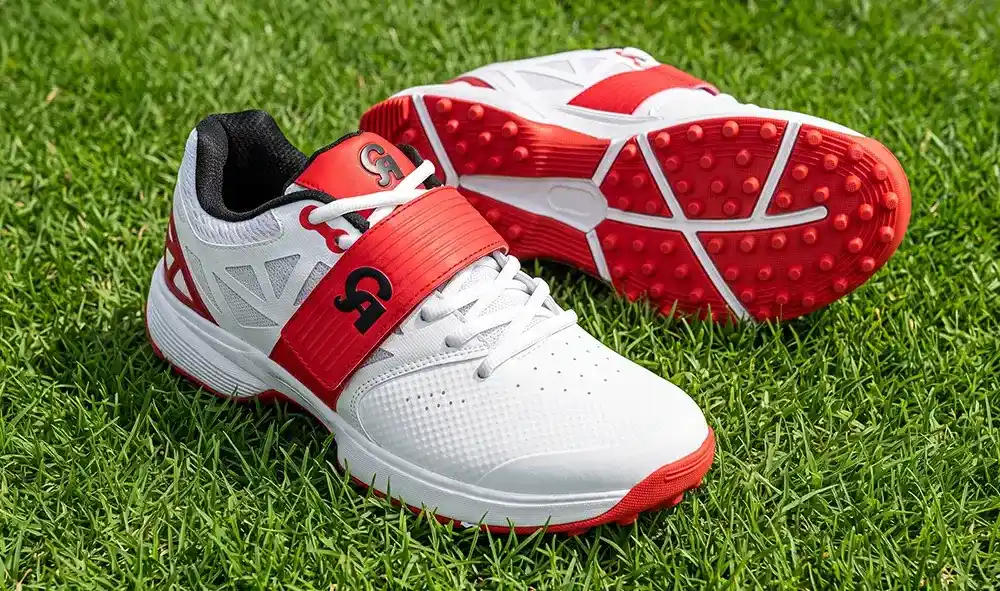
Most cricket guides only focus on batters and ignore the specific needs of fast bowlers. Because fast bowling puts intense physical stress on the body upon landing, specialized gear and footwear are required to prevent injuries. You can read more about cricket gear on the blog.

Recent Blog
10 Oct 2026
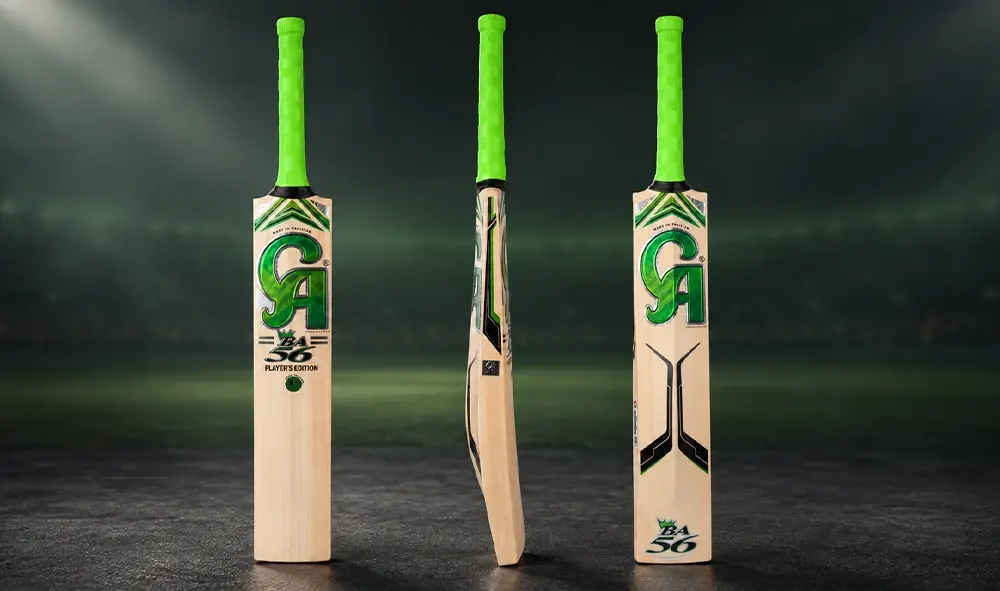
What Bat Shapes Do Professional Cricketers Use?
29 Sep 2026
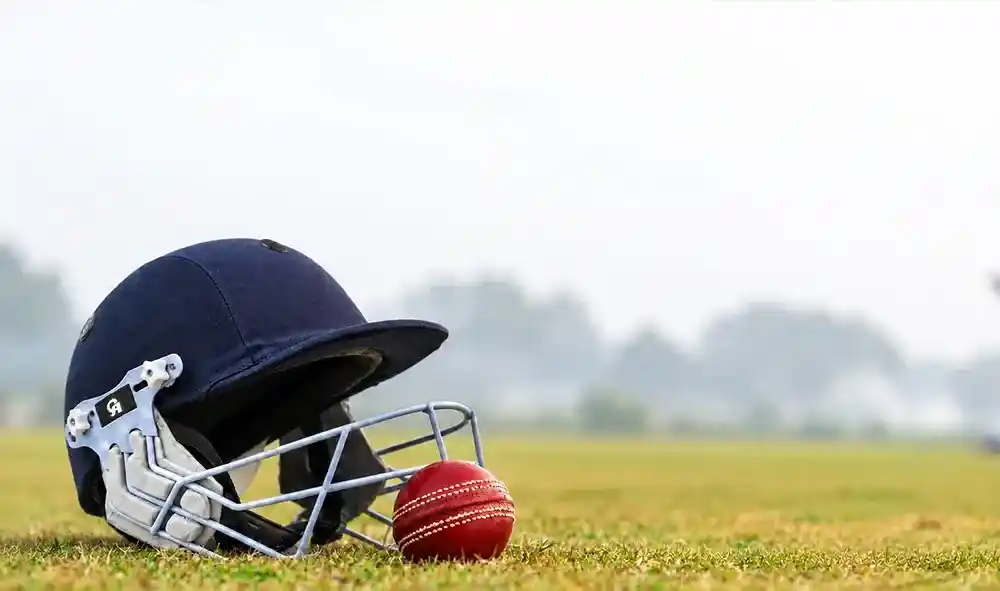
Which Cricketers Wear a CA Sports Cricket Helmet?
29 Sep 2026
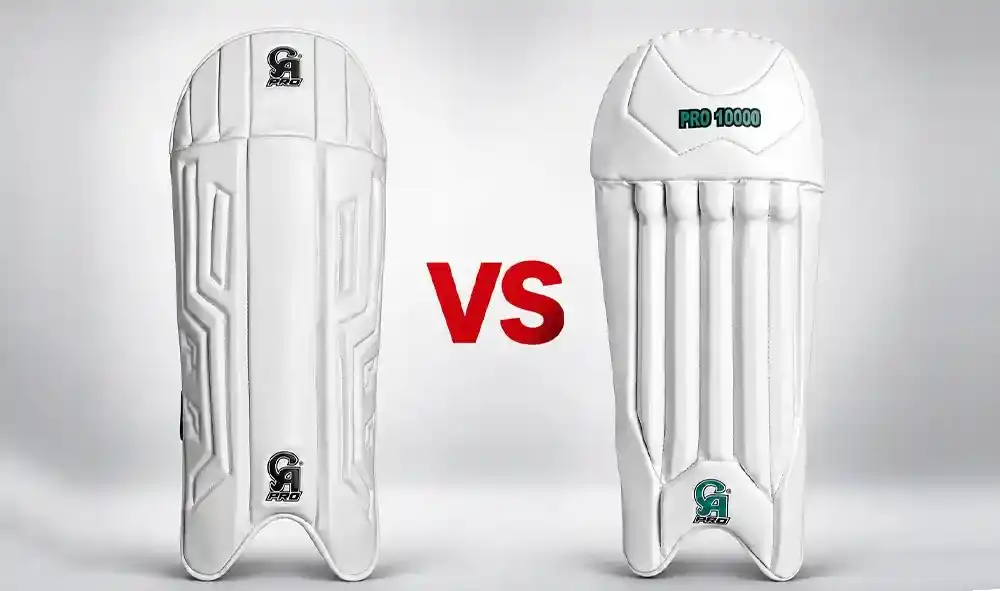
Lightweight vs. Heavy Duty Wicketkeeping Pads – Which is Best for You
05 Sep 2026
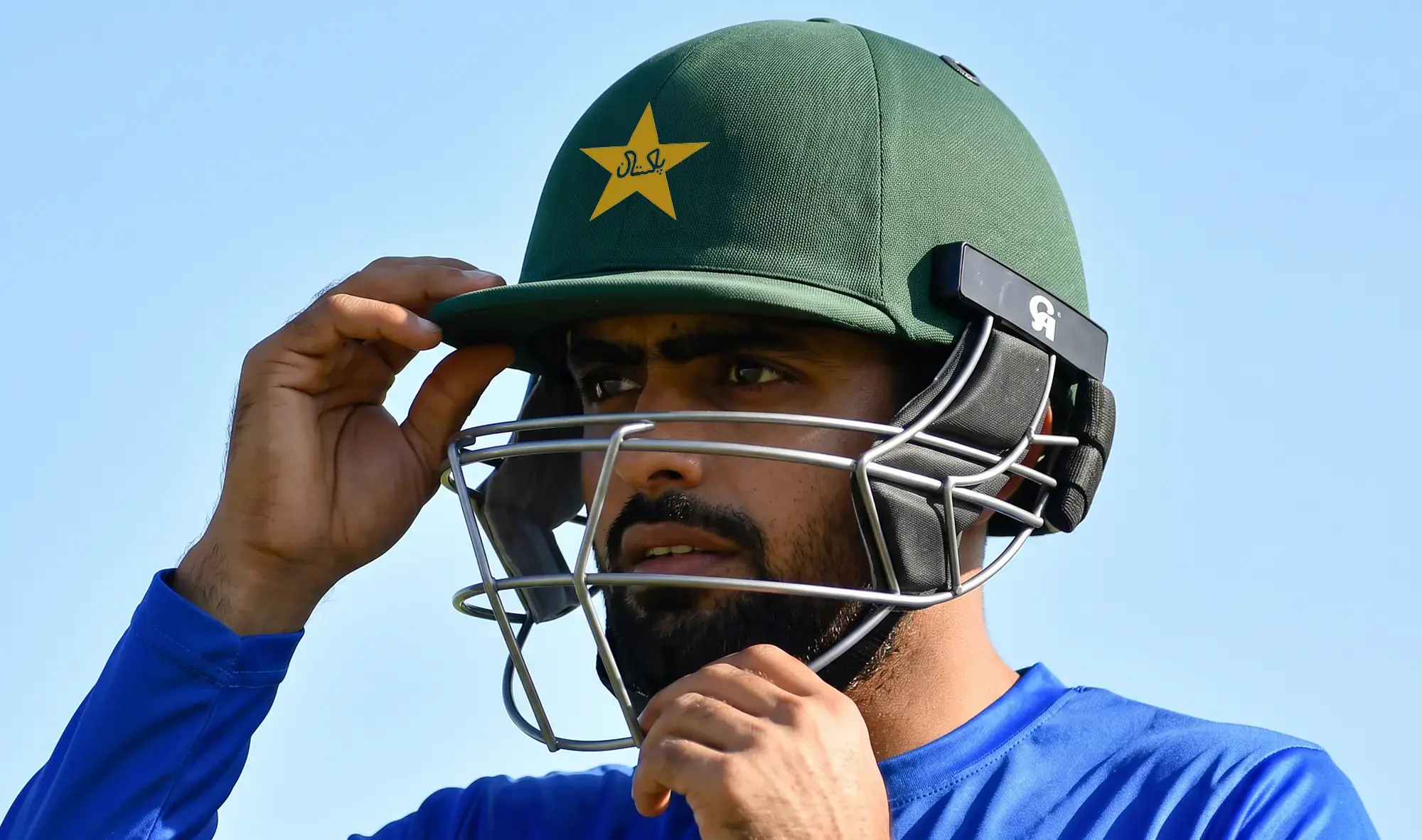
How to Choose the Best Cricket Helmets with Advanced Face Guard Technology
31 Aug 2026
What Protection Does a Fast Bowler Actually Need?
28 Aug 2026
Do You Actually Need a Cricket Arm Guard?
28 Aug 2026
Why Your Helmet and Neck Guard Are Crucial
22 Aug 2026
How to Replace a Cricket Bat Grip?