
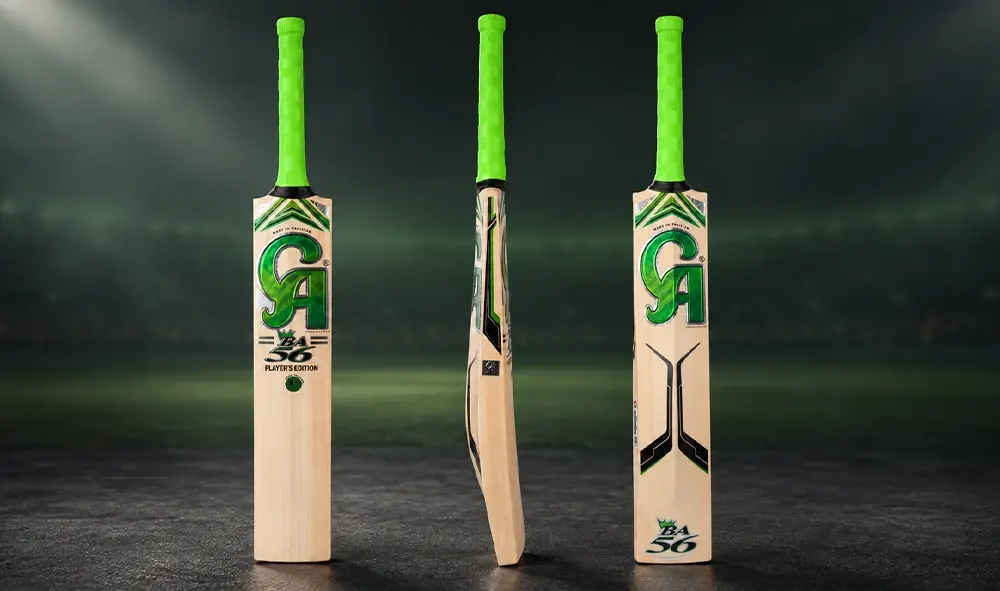
What Bat Shapes Do Professional Cricketers Use?
Ask ten club players what a professional cricket bat looks like, and nine will describe the same thing: huge edges, a bulging middle, a dramatic bow. Powerful. Modern. Finished.
The truth is more interesting. Professional cricketers do not all use the same bat shape. They use shapes tuned to the way they bat — and if you look closely at the bats on any international circuit, the differences between them are striking.
Understanding why is the shortest route to picking a better bat for yourself.
There is no single "pro shape"
The idea that professional cricketers all use the same bat exists mostly because of marketing. Brands sell signature models and promote the ones with the most eye-catching profiles. What actually happens behind the scenes is that each professional sits down with a batmaker and tunes a bat around their batting — their grip, their stance, where they look to score, and the formats they play most.
That is why one top-order batter will play with a bat whose middle sits low on the blade, while a teammate uses one with the middle noticeably higher. Both are professional-grade. Both are correct. They are built for different players.
The parts of a bat shape that actually vary
A player's cricket bat has four main shape variables. The choices a maker makes across these four decide what the bat does in your hands.
Where the middle sits. The sweet spot can sit low on the blade, in the centre, or higher up. A low middle rewards drives along the ground. A middle sitting higher up suits shots played off the back foot and against bowling that bounces.
Edge thickness. Bigger edges push more mass out to the sides of the blade, which can help on shots not struck perfectly in the middle. Thinner edges give a cleaner, more traditional look and usually a lower overall weight.
Spine height. The spine is the raised backbone running down the back of the bat. A tall, prominent spine concentrates mass behind the middle for power. A flatter spine spreads that mass more evenly across the blade.
The bow. Viewed from the side, the face of the bat curves slightly outward. A pronounced bow brings the striking surface closer to the ball through the shot, which many power hitters prefer. A subtle bow keeps the feel more classical.
Different combinations of these four create very different bats — and none of them is "the professional one".
Shape and pickup are not the same thing
This is where most buyers get caught out.
Two bats can weigh the same on the scale and feel completely different in your hands. That is pickup — how a bat feels when you lift it and swing it. Pickup comes from how the weight is spread across the blade, which depends on the shape.
A bat with a low middle and heavier toe will feel bottom-heavy and want to work through the ball. A bat with a mid-high middle, lighter toe, and a prominent spine will feel balanced and quick through the swing — even at the same stated weight.
Which is why you should never buy a bat on its listed weight alone. Pick it up, hold it out, play a few shadow shots. If it feels right, it probably is right.
How different styles of batting lead to different shapes
Professional shapes make sense once you match them to how a player actually bats. Four broad patterns show up again and again.
The front-foot driver. Players who score most of their runs by driving the ball along the ground, especially in red-ball cricket, often prefer a lower middle and a modest bow. The mass sits where bat meets ball on a driven shot, and the shape rewards timing over raw power.
The back-foot player. Batters who are strong off the back foot and against bowling with bounce often use shapes with the middle sitting higher up the blade. The mass is in the right place for cuts, pulls, and shots played late under the eyes.
The power hitter. T20-focused batters tend toward big edges, a tall spine, and a pronounced bow — the modern silhouette. These bats put mass behind the ball through aggressive shots and can carry a mishit further than a traditional profile would.
The all-formats batter. Professionals who play across all three formats often choose a middle sitting around the centre of the blade, moderate edges, and a balanced spine. It is a shape that does nothing badly, which is usually what a long season demands. Babar Azam is a good example of this profile at the top of the game — a classical, all-formats batter who bats across Tests, ODIs and T20Is, and who uses the CA PRO 56 King's Edition as a CA Sports brand ambassador.
Notice the pattern: Shape follows style, not the other way around. You do not become a power hitter by buying a power hitter's bat.
Finding the shape that fits your game
The honest guidance for a club or academy player is this.
Pick the bat up before you buy it. Hold it in your batting grip, let it hang, feel where the weight sits. Then play half a dozen shadow shots — a drive, a pull, a cut, a defensive push. The bat you want is the one that moves naturally through those shots, not the one you have to muscle around.
If a bat feels bottom-heavy through a drive and that is the shot you love, you have found a shape that fits you. If it feels light and quick through a cut and you score most of your runs square of the wicket, same answer.
Trust what the bat tells you in your hands. It is a better guide than any sticker on the back.
The bottom line
Professional cricket bat shapes are not one thing. They are the result of real players, with real styles, choosing real trade-offs between mass, pickup, timing and power.
The best bat for you is the one whose shape matches how you actually bat — not the one that looks most impressive on the shelf. Pick it up, swing it, judge it on feel, and the right shape will choose itself.
FAQ's
Do all professional cricketers use heavy bats?
No. Many use bats in the 2 lb 9 oz to 2 lb 11 oz range. What varies more between players is pickup and shape, not raw weight.
Which bat shape hits the ball furthest?
There is no single answer. A big-edged, high-spine bat offers more mass behind the ball — but only if you can swing it cleanly. A shape you can time well will outhit a bigger shape you cannot.
What is a cricket bat profile?
Profile is another word for shape. It is the overall combination of middle position, edges, spine, and bow that gives a bat its character.
Should a club player use a professional bat shape?
A professional-grade bat, yes. A copy of a specific professional's shape, not necessarily. The shape should suit your game, not someone else's.

Recent Blog
10 Oct 2026
What Bat Shapes Do Professional Cricketers Use?
29 Sep 2026
Which Cricketers Wear a CA Sports Cricket Helmet?
29 Sep 2026
Lightweight vs. Heavy Duty Wicketkeeping Pads – Which is Best for You
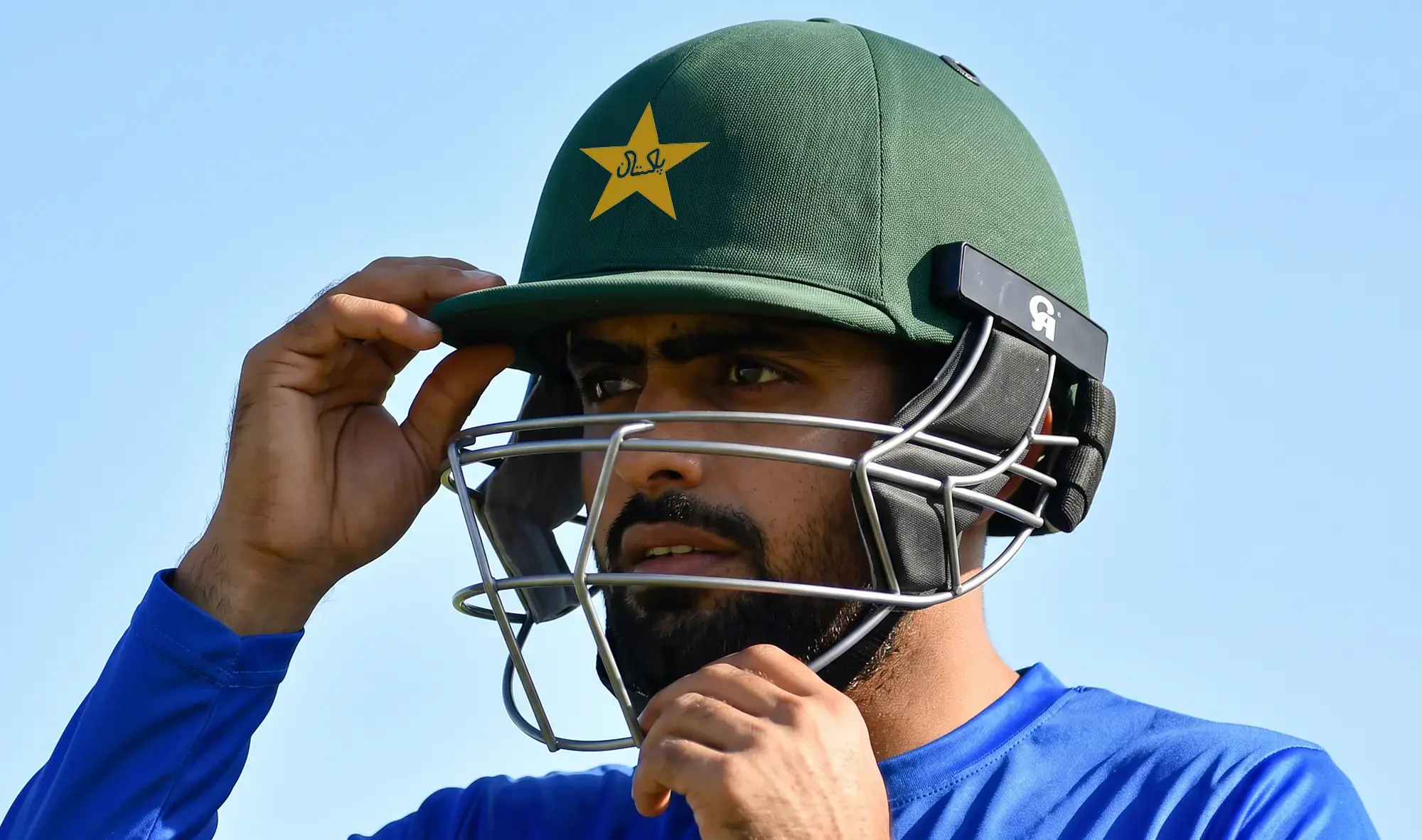
05 Sep 2026
How to Choose the Best Cricket Helmets with Advanced Face Guard Technology
31 Aug 2026
What Protection Does a Fast Bowler Actually Need?
28 Aug 2026
Do You Actually Need a Cricket Arm Guard?
28 Aug 2026
Why Your Helmet and Neck Guard Are Crucial
22 Aug 2026
How to Replace a Cricket Bat Grip?